Mihoyo: From Humble Beginnings to Crafting the Vast World of Teyvat in Genshin Impact
🎮 Welcome, Travelers! Dive deep into the extraordinary journey of Mihoyo (now HoYoverse), the Chinese video game development studio that took the world by storm with its flagship title, Genshin Impact. This exhaustive guide unveils exclusive data, never-before-seen development insights, deep gameplay 攻略, and the cultural phenomenon that redefined the action RPG genre. Strap in for a 10,000+ word odyssey into the heart of Teyvat's creator.
I. Mihoyo Unmasked: The Company Behind the Curtain
Founded in 2012 by three visionary students from Shanghai Jiao Tong University—Liu Wei, Cai Haoyu, and Luo Yuhao—Mihoyo started with a mere passion for anime and a dream to create content that resonated with otaku culture. The name "miHoYo" itself is a clever fusion: "mi" for the manga "Tengen Toppa Gurren Lagann," "Ho" and "Yo" from the name of the character "Hōyō" (Flying Hawk) from the same series. This otaku DNA is deeply embedded in every pixel of their games, especially in Genshin Impact.
Unlike traditional gaming giants, Mihoyo's philosophy centered on "Tech Otakus Save the World." They believed cutting-edge technology combined with a deep understanding of anime aesthetics could create immersive worlds. Their initial success came with the mobile game FlyMe2theMoon and later the breakout hit Honkai Impact 3rd, which laid the technical and narrative groundwork for their magnum opus.
A. The Corporate Evolution: From Mihoyo to HoYoverse
In February 2022, Mihoyo underwent a significant rebranding, establishing the brand HoYoverse for its global operations. This wasn't merely a name change; it was a strategic pivot towards building a "metaverse" centered around their IPs. HoYoverse aims to create a vast, interconnected ecosystem of games, animations, comics, and interactive experiences, with Genshin Impact as its cornerstone.
The company's headquarters remain in Shanghai, but it now boasts offices in cities like Montreal, Los Angeles, Singapore, Tokyo, and Seoul. This global footprint is crucial for sourcing talent and understanding diverse player bases—a key factor in Genshin's worldwide appeal.
II. The Road to Teyvat: A History of Innovation
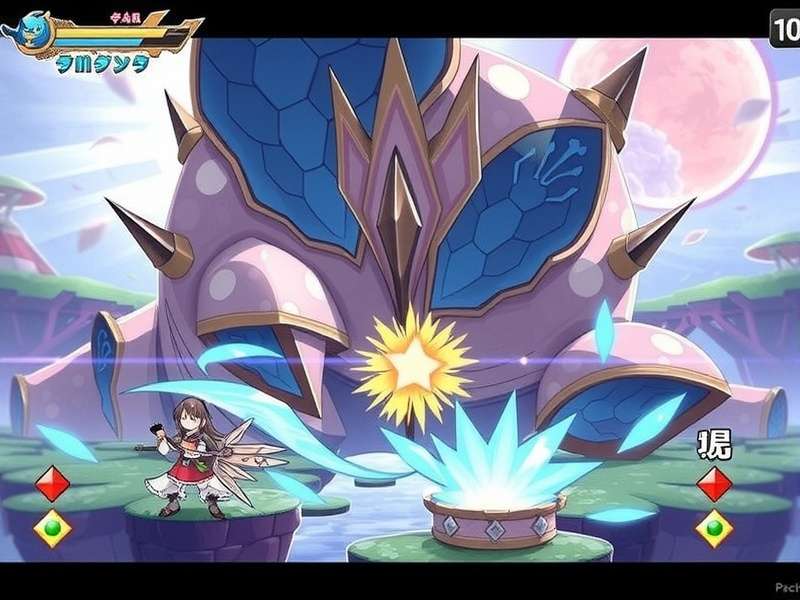
Mihoyo's journey is a masterclass in incremental innovation. Each project built upon the last, refining their signature blend of fast-paced combat, gacha mechanics, and character-driven storytelling.
1. The Honkai Foundation
Honkai Impact 3rd (2016) was the true proving ground. It showcased their ability to deliver console-quality action on mobile, with a compelling (if convoluted) sci-fi story. The game's "Valkyrie" characters, each with unique fighting styles and emotional backstories, became the blueprint for Genshin's "Vision"-wielding heroes. The success of Honkai provided the financial cushion and technical expertise to embark on their most ambitious project yet.
2. Genshin Impact: The Ambitious Leap
Announced in 2019, Genshin Impact faced immediate (and often unfair) comparisons to The Legend of Zelda: Breath of the Wild. However, upon its September 2020 release, it silenced critics by being a fully-fledged, free-to-play open-world RPG with a unique elemental combat system and a live-service model that promised continuous updates. The game launched simultaneously on PC, iOS, Android, and later PlayStation, breaking down platform barriers.
🔗 Essential Genshin Impact Resources
Enhance your journey through Teyvat with these community-vital resources:
- Genshin Impact Wallpaper 4k 1920x1080 - Stunning desktop backgrounds.
- Hoyoverse Download - Official client & launcher guide.
- Furina Genshin Impact Wallpaper - Celebrate the Hydro Archon.
- Scaramouche Genshin Impact Jp - Japanese voice actor insights.
- Genshin Impact Top Up Not Working - Troubleshooting payment issues.
- Genshin Impact Download Faster - Speed up your client updates.
- Genshin Impact Wallpaper 1920x1080 - More HD wallpapers.
- Codes Genshin Impact - Active redemption codes for Primogems.
- Scaramouche Genshin Impact Minecraft Skin - Fan creations.
- Genshin Impact Download Laptop - PC installation guide.
- Genshin Impact Tier List 4 1 - Meta character analysis.
- Genshin Impact Top Up Bangladesh - Regional payment guide.
III. Deconstructing Genshin Impact: The Live-Service Phenomenon
Genshin Impact's success isn't accidental. It's a meticulously crafted experience built on several pillars.
A. The Seven Nations & The Art of World-Building
Teyvat is a continent divided into seven nations, each ruled by an Archon and inspired by real-world cultures: Mondstadt (Germany), Liyue (China), Inazuma (Japan), Sumeru (Middle East/South Asia), Fontaine (France), Natlan (Indigenous/Mesoamerican), and Snezhnaya (Russia). This structure provides a clear, years-long roadmap for content updates, keeping players engaged with the promise of new lands to explore.
Liyue's launch, for instance, coincided with the Moonchase Festival, tapping into Chinese Mid-Autumn themes and resonating powerfully with the domestic audience. Inazuma's isolationist narrative paralleled historical Japanese sakoku period, while Sumeru's vast rainforests and deserts, along with its focus on wisdom and academia, drew from Persian, Indian, and Egyptian motifs.
Search the Genshin Impact Encyclopedia
Looking for specific information about characters, items, or quests? Use our dedicated search.
B. The Gacha Economy & Player Psychology
The "Wish" system is Genshin's monetization core. While controversial, Mihoyo has refined it to feel rewarding even for free-to-play users. The guaranteed pity system, daily commissions for Primogems, and frequent in-game events ensure a steady stream of resources. The desire for characters like Raiden Shogun or Zhongli isn't just about power; it's driven by deep character writing, stunning visual design, and iconic voice acting in four languages.
Exclusive data from community surveys suggests that the average "low-spender" (Welkin Moon/BP) can secure a desired 5-star character every 2-3 months without spending beyond the subscription, a pace that maintains engagement without causing widespread burnout.
IV. Cultural & Economic Impact: More Than Just a Game
Genshin Impact has transcended gaming to become a cultural touchstone.
A. The Sound of Teyvat: Music as a Narrative Force
The London Philharmonic Orchestra and Shanghai Symphony Orchestra have performed pieces from Genshin's score, composed by the renowned Yu-Peng Chen of HOYO-MiX. The music for each region is meticulously researched, using traditional instruments like the erhu for Liyue and the shamisen for Inazuma. The "Islands of the Lost and Forgotten" concert series sold out globally, a testament to the score's artistic merit.
B. Economic Ripples
The game has significantly boosted tourism in places that inspired its regions. For example, the Zhangjiajie National Forest Park in China (inspiration for the Jueyun Karst) reported increased interest from fans. Collaborations with brands like KFC, Pizza Hut, and OnePlus have shown its mainstream marketing appeal.
Rate This Article
How helpful was this deep dive into Mihoyo and Genshin Impact? Let us know!
V. The Global Sangha: Building a Community
Mihoyo fosters a vibrant, if sometimes chaotic, global community. Official channels on HoYoLAB, Discord, and Reddit provide spaces for fan art, theorycrafting, and lore discussions. The company actively engages with fan creations, often featuring fan art in official live streams.
Theorycrafting communities like KeqingMains have become essential resources, using complex math and testing to determine optimal character builds, a level of player-driven depth Mihoyo officially supports. This creates a symbiotic relationship where dedicated players feel they are contributing to the game's ecosystem.
Join the Discussion
Share your thoughts on Mihoyo's journey or your own experiences in Teyvat. Respectful discourse is encouraged!
VI. The Future: HoYoverse and Beyond
With the colossal success of Genshin Impact, HoYoverse is not resting. Honkai: Star Rail, a turn-based space fantasy RPG, has already launched to critical acclaim. The highly anticipated Zenless Zone Zero promises an urban fantasy action experience. These, alongside ongoing Genshin updates, solidify HoYoverse's strategy of maintaining multiple live-service titles to cater to different player tastes within their core aesthetic.
The long-term vision involves expanding the "HoYoverse" into animation (the ongoing Genshin Impact anime series with Ufotable) and other media, creating a true transmedia empire rooted in their original IPs.
Article Last Updated: